


Welcome…
…to The Lilith Institute™, a Center for Feminist Spirituality focused on learning, ritual and creating community. We transmit, share and welcome knowledge in all its forms — oral, written, embodied, iconographic/visual, symbolic, spiritual, emotional. Our passion and our work: to help women find voice, as we continue creating new knowledge and new paradigms. Our practice: connecting with each other, with the Sacred Feminine and to the power within.
We highly recommend this Wisdom School, in which Kabbalistic teachings transmitted through the motherline are passed down— and further animated by the students:
Applications Close April 15th!

Wisdom School engages spiritual seekers across the gender spectrum and from any faith tradition. Participants experience personal growth by solidifying their connection to the collective. While new insights are transmitted as we continue to evolve, with new threads woven in with each generation, this ancient wisdom is ageless.
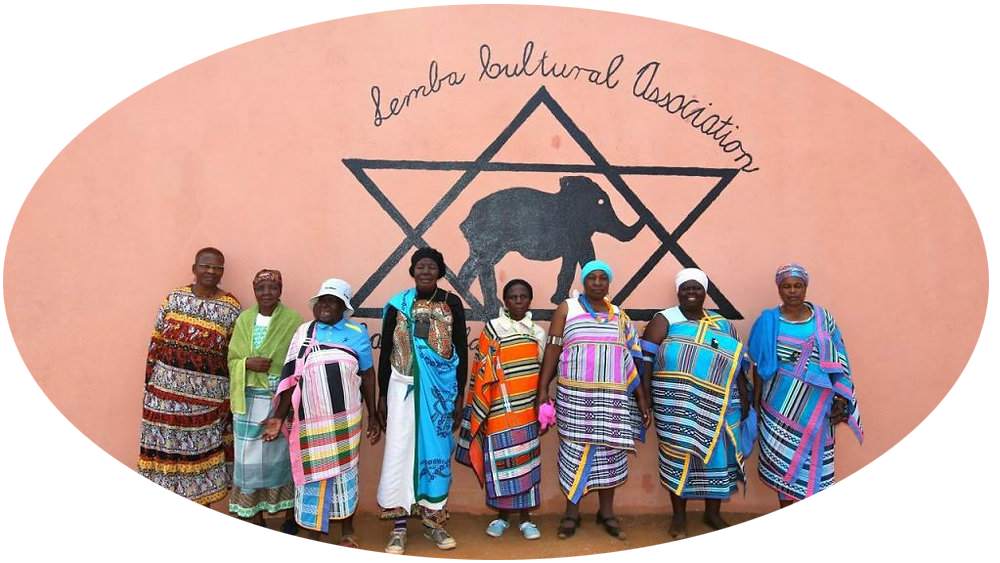
Who Is A Jew?
How Women of Multiple Judaisms Connect with G’d
We’re excited to share this upcoming event with you:

I’m looking forward to offering a drumming meditation monthly at WomanSpirit Reclamation’s Wisdom Circles.
This Wisdom Circle, based on 8 insights from Patricia Lynn Reilly’s “Imagine a Woman” poem, meets weekly on Wednesdays from 4:00-5:15 pm Pacific, 7:00-8:15pm Eastern.
Facilitated by: Adriana Sottosanti
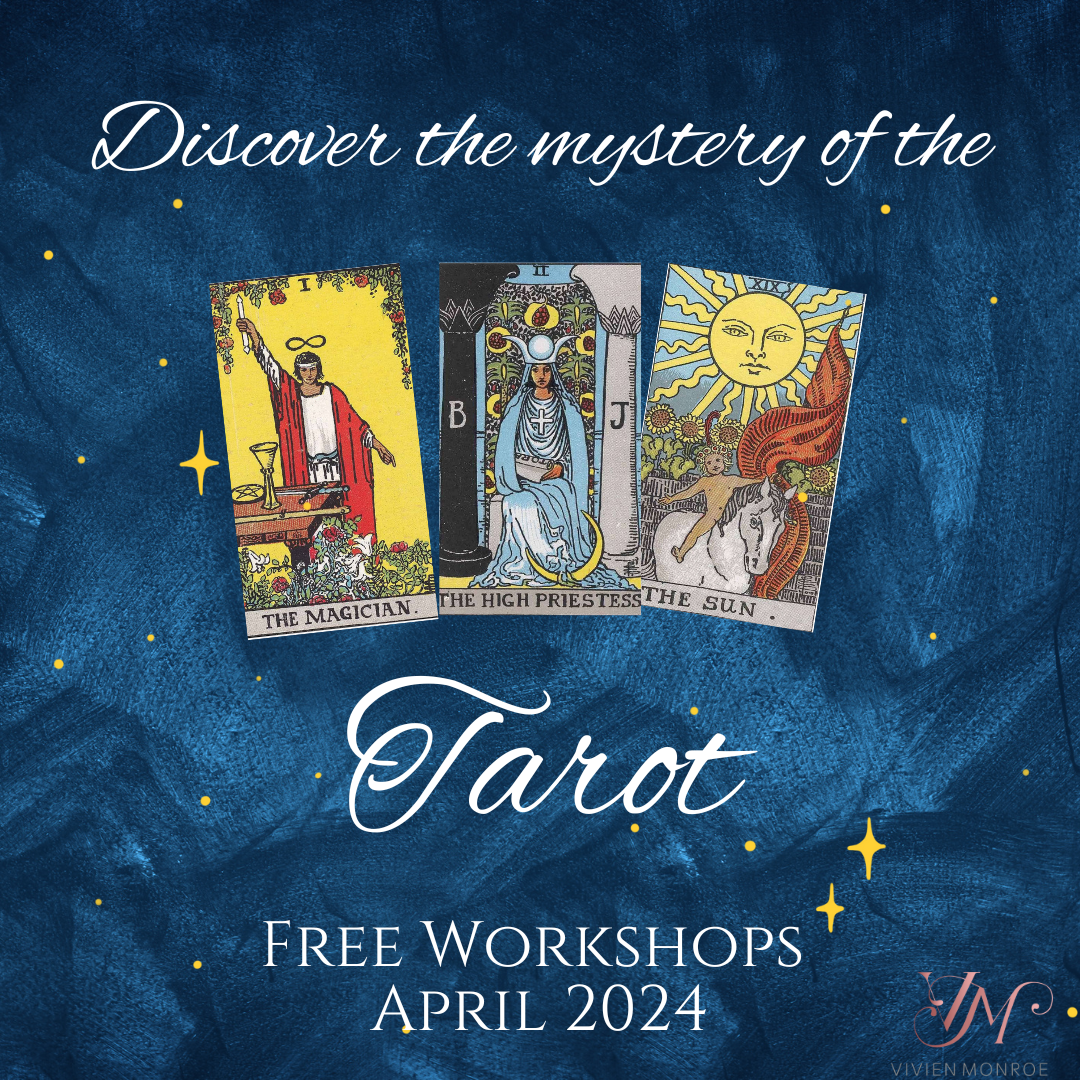
When you sign up for a FREE tarot workshop with Vivien Monroe, you’ll automatically be entered into a drawing to win a FREE 1-hour Tarot reading with her. A winner will be chosen from each workshop’s registrants, giving you multiple opportunities to win!
Whether you’re a long-time enthusiast or a curious newbie looking to learn more, this opportunity is perfect for you. Join my good friend and colleague Vivien Monroe for a series of FREE workshops on how to read tarot. In just one hour, Vivien can give you a well-researched overview of the basics of tarot reading, so you can immediately begin to read for yourself!
These FREE workshops are being offered every Friday in April, at 12:00 pm Pacific.
You don’t need any prior experience or even a tarot deck – just bring yourself and your interest in tarot!
Learn more and register:

PAST PODCASTS & BROADCASTS
EXPLORE PAST TEACHINGS & EVENTS
Mindfully Integrative
with Dr. Damaris Maria Grossman ~ October 2022
“D’vorah is an amazing teacher and wisdom holder. I encourage you to learn with her.” – Rabbi Nadya Gross, Co-Founder, Yerusha, building a legacy for future generations
Enjoy Monica Rodgers’ The Revelation Project Podcast featuring Lilith’s Fire: Honoring the Sacred Feminine with D’vorah J. Grenn, Ph.D., Kohenet
Lilith Institute Membership!
If you join Lilith Institute as an Ishtar Level member, you’ll receive a 1-on-1 spiritual guidance/mentorship session with D’vorah every six months, reduced prices on programs, exclusive content, discounts from our partners and more! As a Lilith Level member, you get all those benefits, plus two more private sessions with D’vorah and an affiliate membership with WomanSpirit Reclamation. See the Membership page here or write info@lilithinstitute.com for more info.

CELEBRATING 25 YEARS IN 2022
In 2022, we launched a new Women’s Leadership Program celebrating THE LILITH INSTITUTE’S 25th Anniversary! Today, we offer some of these teachings in private sessions. For details, write to info@lilithinstitute.com.
“Never, ever, for the sake of peace and quiet, deny your own experience.” –Dag Hammerskjold
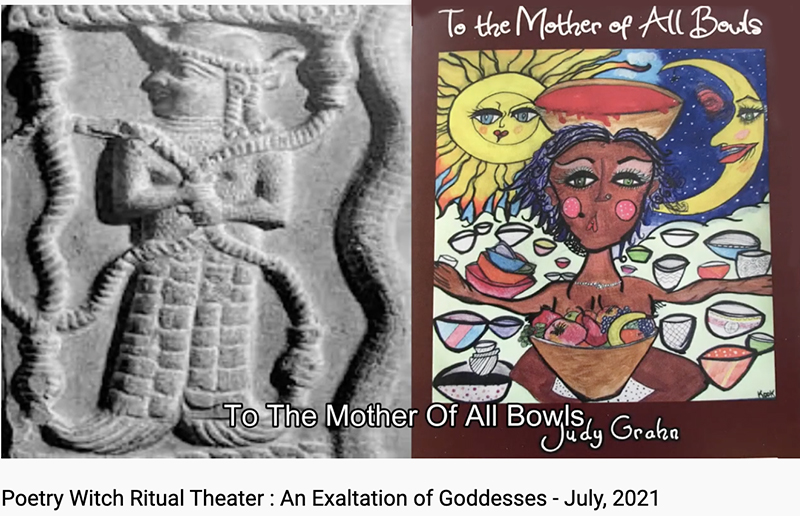
See Judy Grahn read her beautiful (and visually breathtaking!) poem “Bowls” on the Community Offerings page + more…
“Many thanks for your fierce belief in my spirit, my ability to transform myself, and your loving support every step of the way.” –Annette Wagner, artist and teacher
The Institute’s Goals
- Continue planting seeds for spiritual change, social action and greater cross-cultural understanding;
- Critically examine existing patterns of thought, behavior and language through new, non-patriarchal lenses, acting as a catalyst for personal and cultural transformation;
- Facilitate an ongoing exchange of ideas across diverse spiritual traditions; and
- Encourage women to recognize their potential to be change agents in their own lives, which in turn transforms the world.
“D’vorah radiates a luminous dedication, integrity, and presence.” – Elka Eastly Vera, Eastly Creative
A Brief History of Lilith
The mythical figure of the ‘dark goddess’ Lilith—a symbol of the independent, rebellious, sensual, courageous, passionate, rageful potential in us all–has been as much a source of inspiration as she has been a flame igniting my curiosity since I was first introduced to her in 1985. For this, I thank an extraordinary teacher, Rabbi Bernard M. Zlotowitz of Hebrew Union College-Jewish Institute of Religion in New York.
According to Jewish legend, Lilith was Adam’s first wife and Eve’s predecessor. In the most commonly-told version of the tale, she is made from the earth, as is Adam. For this reason, she refuses to lie beneath Adam sexually, and when he insists, she mutters God’s secret name, leaves the Garden of Eden and Adam, and flies off to the Reed Sea [today called the Red Sea] to live her own life. After Adam complains to God about being alone and Eve comes into the picture, we learn—in traditional patriarchal recountings—that she is warned against the ‘evil’ Lilith and feels Lilith is a rival competing for Adam’s affections. In a contemporary feminist midrash or reinterpretation of this legend by Judith Plaskow, however, we see Lilith painted as Eve’s counterpart, confidante and friend (Womanspirit Rising, 1979).
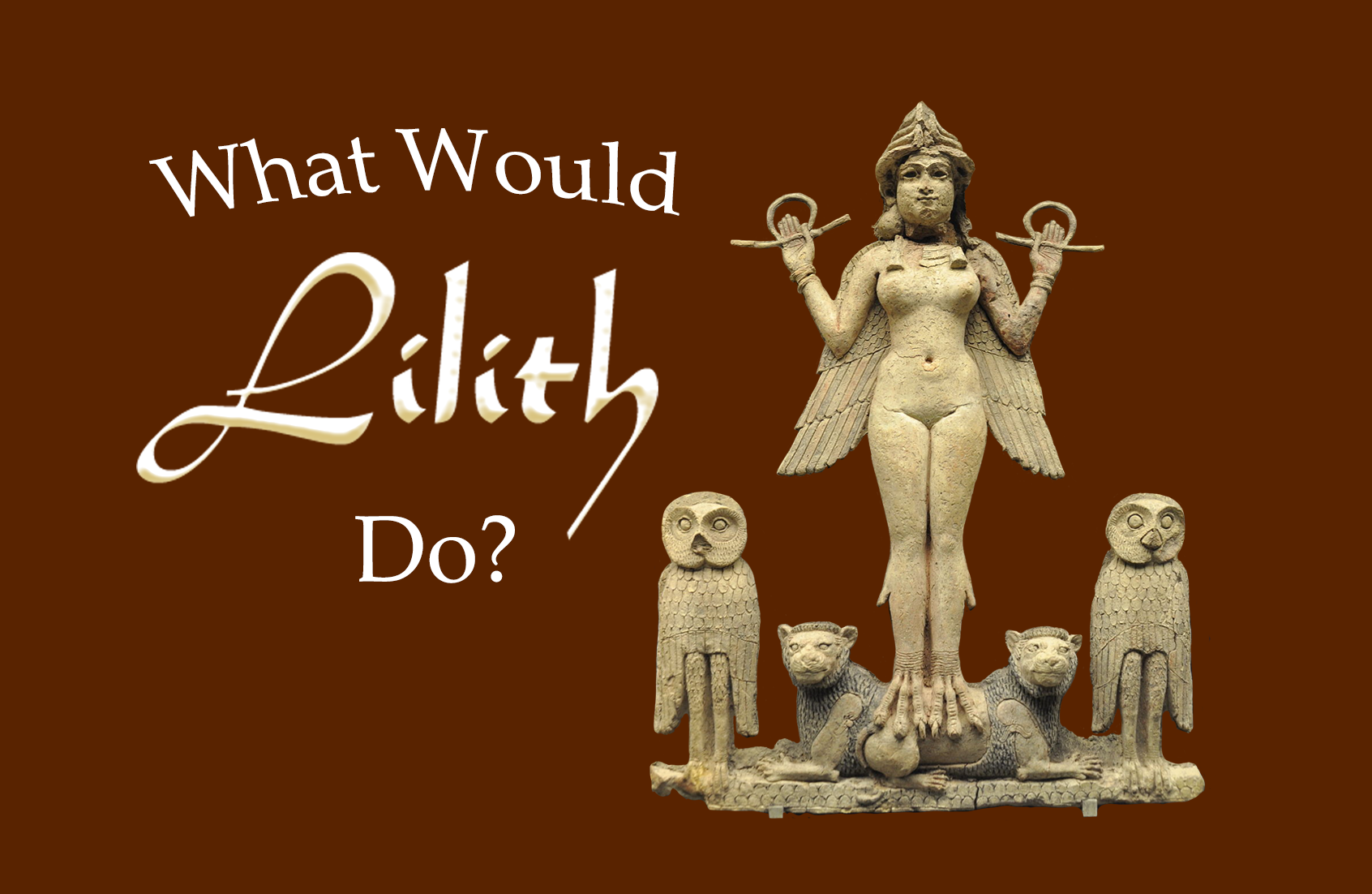
Lilith is consistently portrayed in many cultures first as a demon, who might have been good or bad, then as a child-killer and temptress; as a woman embodying or representing the devil and often personified by Eden’s serpent. In literary and iconographic representations, she is clearly depicted as symbolizing the “evil” inherent in all women. Yet many contemporary women see in her the embodiment of the Goddess, Great Creatrix, Queen of Heaven and Earth, Goddess of Love and War, designations she shares with her counterparts Inanna, Ishtar, Asherah, Anath and Isis. As a goddess of love, beauty and things erotic she is akin to the Greek Aphrodite and the Roman Venus; in her wildness and thirst for justice she and Bhadra Kali, the Hindu goddess, could be thought of as sisters. The question of how bloodthirsty she may or may not be—and whether the role of avenger is a positive or negative one—remains an open one. There is also the question, which has gone largely unexplored, of the royal or divine status which may be signified by her serpentine crown and the rings she holds, usually recognized as symbolizing Sumerian royal authority. “She also holds the ring and rod of power. Thus she joins the first rank of gods” (Johnson, 1988).
Lucia Chiavola Birnbaum, in her landmark work Black Madonnas (1993), calls Adam’s treatment of Lilith “the first violence done to women”. If one reads this as rape, as some writers do (Philips, 1984; Ostriker, 1993), one begins to view the Garden of Eden as more prison than paradise. No wonder, then, that Lilith left Adam and Eden; in so doing–as Aviva Cantor wrote in the first issue of LILITH Magazine (1972)—Lilith chose loneliness over subservience.
The patriarchy’s treatment of Lilith has been similar to its treatment of Eve. Both have been demonized – Lilith for her independence and open sexuality, and Eve for her quest for knowledge.
We can trace Lilith’s development through both art and text; through mythological as well as talmudic, pseudepigraphic and apocryphal sources. They include: the 3rd millenium story of Gilgamesh and the Huluppu Tree; a 2400 BCE text referring to a Sumerian storm demon; the famous terracotta relief of Lilith known as the Burley plaque from circa 2300 BCE; in Babylonian legends dating from roughly 1800 BC; in Aramaic incantation texts found in bowls around 600 CE in Nippur, Babylonia (Iraq), Arslan Tash (Syria) and Persia (Iran); in Rabbinic literature, midrashim and folklore from the 5th to the 12th Centuries CE, in 15th and 16th Century European sculpture and woodcuts, in Kabbalistic sources beginning in the 12th and appearing through the 17th Century CE, in literature carrying her through to the present day. The only actual Biblical reference to Lilith or ‘the liliths’ is in the Hebrew Bible (Isaiah 34:14); whether or not it truly represents this mysterious figure is a matter of conjecture.
I find Lilith, as both symbol and mythological figure, endlessly fascinating. When I first learned of her I was in corporate life; when I returned to school to pursue an MA degree, she rapidly became the focus of my thesis: “Lilith as Everywoman in Ancient Text & Modern Midrash: Transforming a Demonized Eros.” Whichever legends about her one chooses to believe, for me she symbolizes both the best and the worst in women (and men), and shows us the desirable, mysterious, pro/creative, regenerative and healing powers of the dark or unknown as well as the socially unacceptable or amoral attributes of the dark.